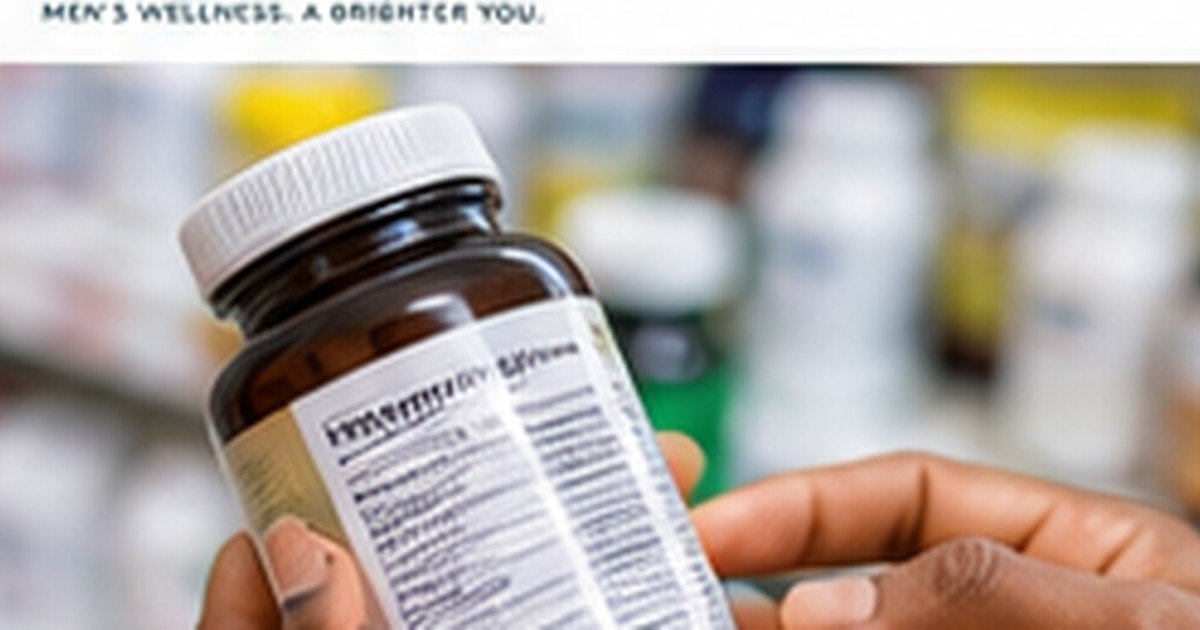
With counterfeit and substandard products a real problem in Nigeria's supplement market, knowing how to verify a product before you buy it is one of the most useful habits a health-conscious shopper can build. It takes a few minutes and can save you from wasting money on — or worse, taking — something that isn't what it claims to be.
Why this matters
Under the NAFDAC Act, no dietary supplement or herbal remedy may legally be manufactured, imported, advertised, sold, or distributed in Nigeria unless it has been registered with the National Agency for Food and Drug Administration and Control (NAFDAC). Registration involves NAFDAC reviewing the product's composition, labelling, and safety documentation — it's a real quality gate, not just paperwork. A product without registration hasn't passed that review, which means there's no independent check on what's actually in the bottle.
Step 1: Look for the NAFDAC number on the packaging
A legitimately registered product should display a NAFDAC registration number, a batch number, and manufacturing and expiry dates clearly on the label. If a supplement has none of these, that alone is a reason for caution.
Step 2: Verify the product using the NAFDAC Greenbook
NAFDAC operates an official online verification tool called the Greenbook (greenbook.nafdac.gov.ng), launched to help the public confirm whether a product is genuinely registered. You can search by:
- Product name
- Brand name
- Registration number
If the product doesn't appear, or the details don't match what's on the packaging in front of you (spelling, manufacturer, registration number), treat that as a red flag rather than a minor discrepancy. Note that the Greenbook's coverage has historically been strongest for pharmaceutical drugs; NAFDAC has been working to bring more product categories, including supplements, fully into the database, so a product that's genuinely registered but not yet visible online isn't automatically proof of a problem — but it's still worth asking the retailer or manufacturer for their registration documentation directly if you can't confirm it online.
Step 3: Check the batch number and expiry date match
Beyond registration, confirm the batch number and expiry date printed on the product are present, legible, and haven't been tampered with. Poorly printed, smudged, or obviously altered batch codes are common signs of counterfeit packaging.
Step 4: Be cautious with certain sales channels
Products bought from unverified online sellers, informal markets, or sellers offering prices dramatically below what's typical carry higher counterfeit risk than those bought from established pharmacies or well-known retailers. This doesn't mean every informal seller is selling fakes, but it does mean extra scrutiny is warranted.
Step 5: Be skeptical of claims that sound too strong
Legitimate supplements make modest, realistic claims. Products promising to "cure," "guarantee," or produce "instant" or "miracle" results — especially for serious conditions — are a marketing red flag regardless of their registration status. Registration confirms a product met a regulatory bar; it doesn't mean every claim on the packaging is accurate.
What to do if you suspect a fake or unregistered product
NAFDAC accepts reports of suspected counterfeit or substandard products through its offices and channels. Reporting isn't just a formality — it's part of how the agency identifies and acts against bad actors in the market, and it protects other buyers from the same product.
The bottom line
Checking a supplement's NAFDAC registration status takes only a few minutes — look for the registration number and batch details on the packaging, verify them against the NAFDAC Greenbook, and treat unverifiable products, suspicious sales channels, or overly dramatic claims as reasons to pause before buying.
This article is for general information. Regulatory processes and verification tools can change — always check NAFDAC's official channels for the most current guidance.